Quick answer
Either raise Speed or step down one zone tier until your success rate sits near 90%. An egg you cannot bring home has no value, so a closer egg you keep is always the better steal.
Why runs fail
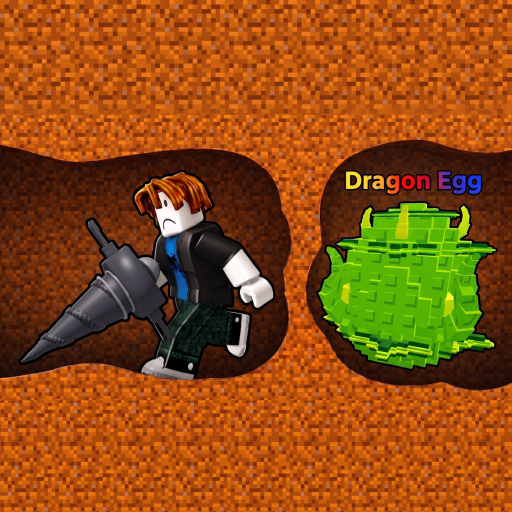
The structure of the game guarantees this. You drill into a zone, take an egg, and the guardian starts chasing you. Your Speed, not your Power, decides whether you reach home still holding it.
That framing explains the pattern every new player hits. Power feels like progress, so they keep drilling further out. But a further zone means a longer return, and a longer return against the same Speed means a lower chance of keeping what you took. You get further, earn nothing, and conclude the game is slow.
The fix is not more Power. It is matching your targets to your Speed.
Speed is the stat that protects everything you own
Speed is raised by stepping on the green buttons near your base. It does not increase your drilling rate or your Cash output, which is exactly why it gets ignored.
Consider what a Speed upgrade actually does. It applies to every egg you will ever take, from every zone you will ever unlock, for as long as you play. A drill upgrade makes one activity faster; a Speed upgrade raises the ceiling on everything.
If you only buy one upgrade early, buy Speed. Drill afterwards, once your survival rate is comfortable.
Choosing a zone you can actually farm
Rarity is a tempting target and a bad metric. The number that matters is income per minute of effort, which divides what an egg pays by the time you spend getting it, including the failures.
That ratio is why a mid-tier egg one zone back can beat a rare egg three zones out. The rare one might pay three times as much, but if you lose two of every three attempts, the time cost flips the result entirely.
A practical test: farm a zone for ten minutes and count what you kept. If you are keeping less than most of what you take, that zone is above your level right now, and the closer zone is the better farm.
Plan the return, not the steal
- Treat the trip home as the main event and the nest as the easy part.
- Leave as soon as you have the egg. Time spent at the nest is time the guardian gets closer.
- Learn one route per zone rather than improvising each run. A repeated route is faster than a clever one.
- Do not take a second egg while carrying one. The second attempt turns a safe run into a lost one.
- When a run goes wrong, keep running. There is no penalty for a slow return, only for being caught.
Fixing a bad session
If a farming session is producing nothing, the cause is almost always one of three things. Work through them in order:
- Your success rate is low. Step down a zone until you keep most of your eggs, then work your way back up as Speed improves.
- Your hatch time is the limit. If eggs are stacking faster than they hatch, extra steals change nothing. More slots or patience beats greed.
- You are chasing the wrong rarity. Re-rank your animals by income per minute using the tier method rather than by colour.
The loop planner takes those three measurements and turns them into an hourly figure, so you can test a change before spending an evening on it.
Drill Loop Planner
Enter your drill, grab and escape times plus your success rate to get eggs per hour, Cash per hour and a verdict on what is limiting you.
Open the planner →Escape questions
Why do I keep losing eggs?
Because your Speed does not cover the return distance from the zone you are farming. Either step up one zone tier or invest in Speed, and the same egg stops disappearing.
Should I fight the guardian?
No. The loop is built around avoidance. The guardian exists to end your run if you take an egg you cannot outrun, and fighting it costs time you could spend training.
Is a rarer egg always better?
No. A rarer egg from a distant zone costs a longer, riskier trip. If you keep losing the far ones, the closer mid-tier egg earns more per minute of effort, which is the only measure that counts.
How do I measure my success rate?
Count the eggs you kept against the eggs you took over a ten-minute session. The loop planner uses that percentage, and it is the input that changes the estimate the most.